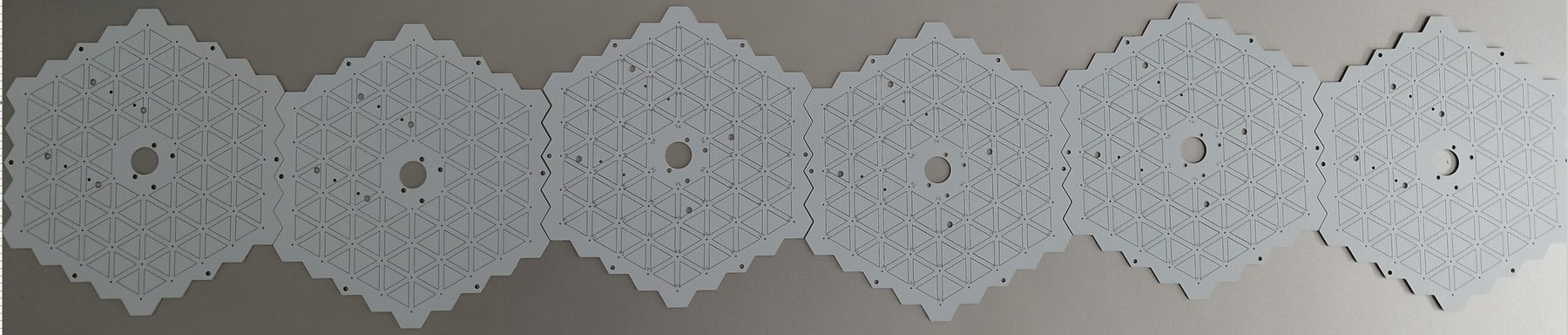
IARI Labs builds acoustic cameras for industry. A 60‑microphone array and an edge processor turn every machine's sound into a live map: where it comes from, what it is, and when it changed. No contact with the machine, no cloud.
Everything below was recorded on our own prototype hardware.
NEW · OCT 2026
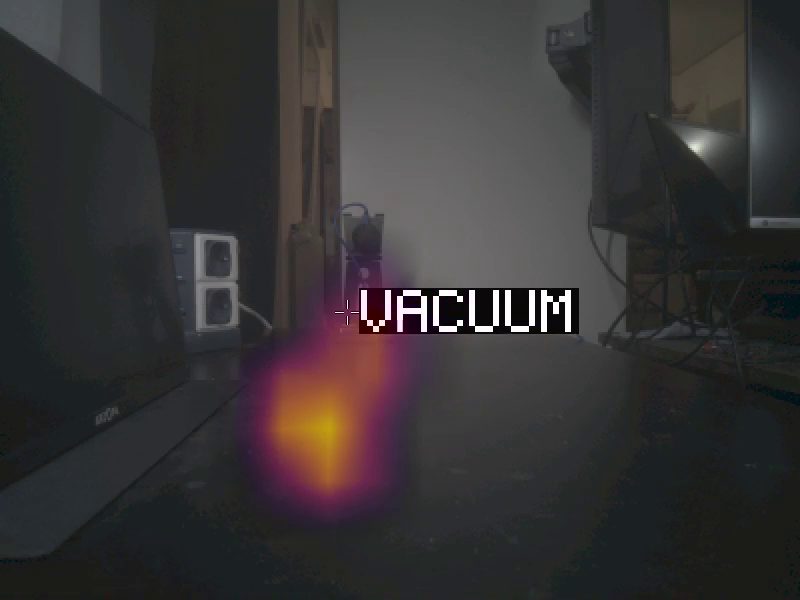
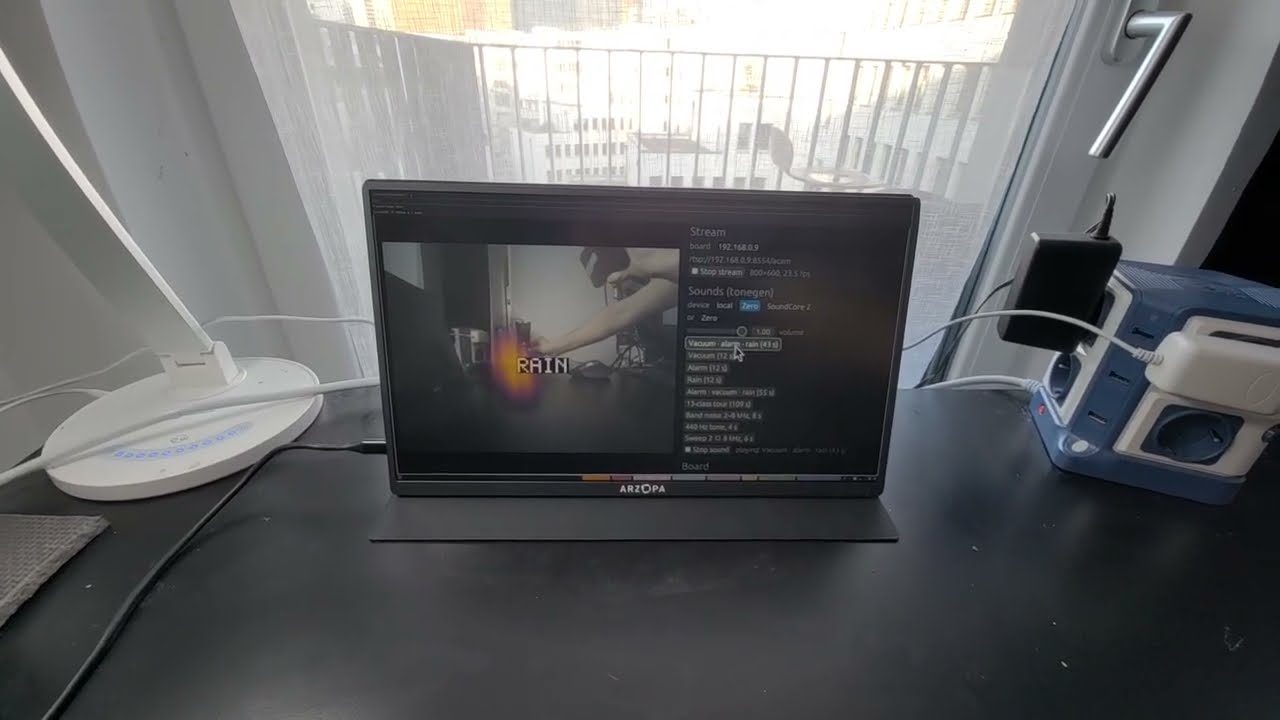
The 60‑microphone prototype finds a sound in the room and labels it live: vacuum, alarm, rain. Beamforming runs on the FPGA; a neural network on the processor's NPU recognises the sound signature.
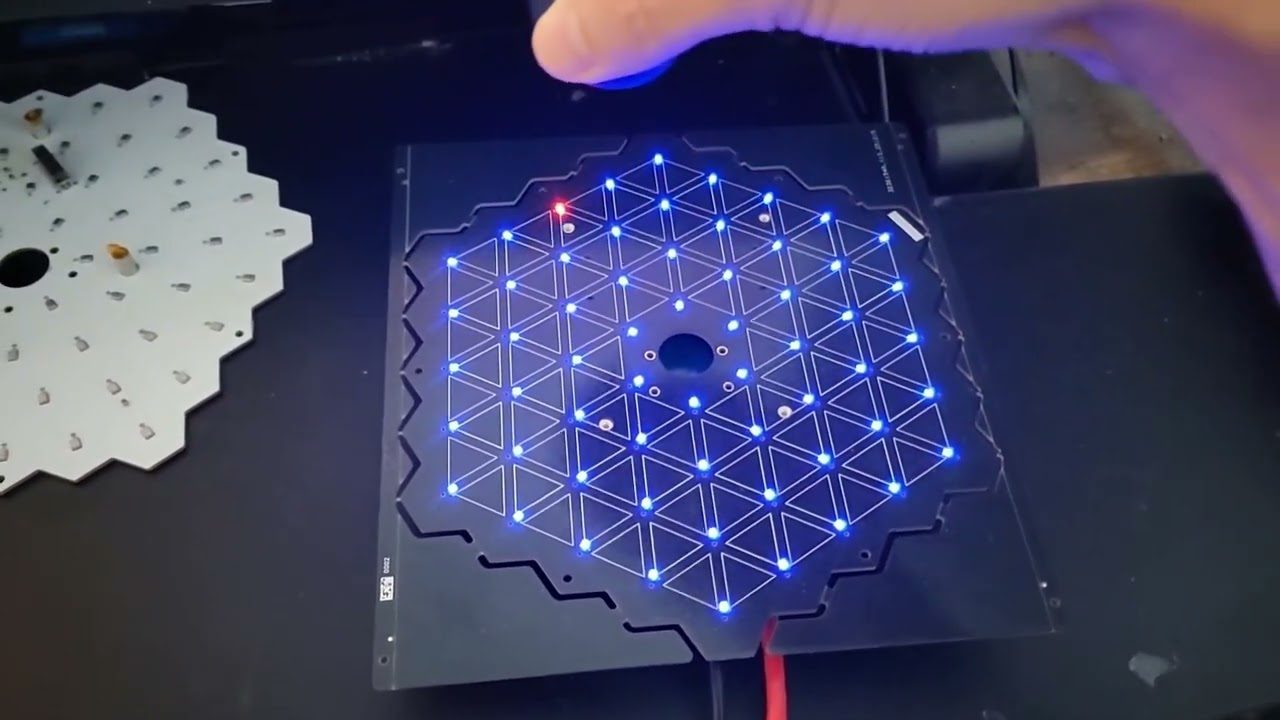
The full hexagonal array tracking a source in real time.
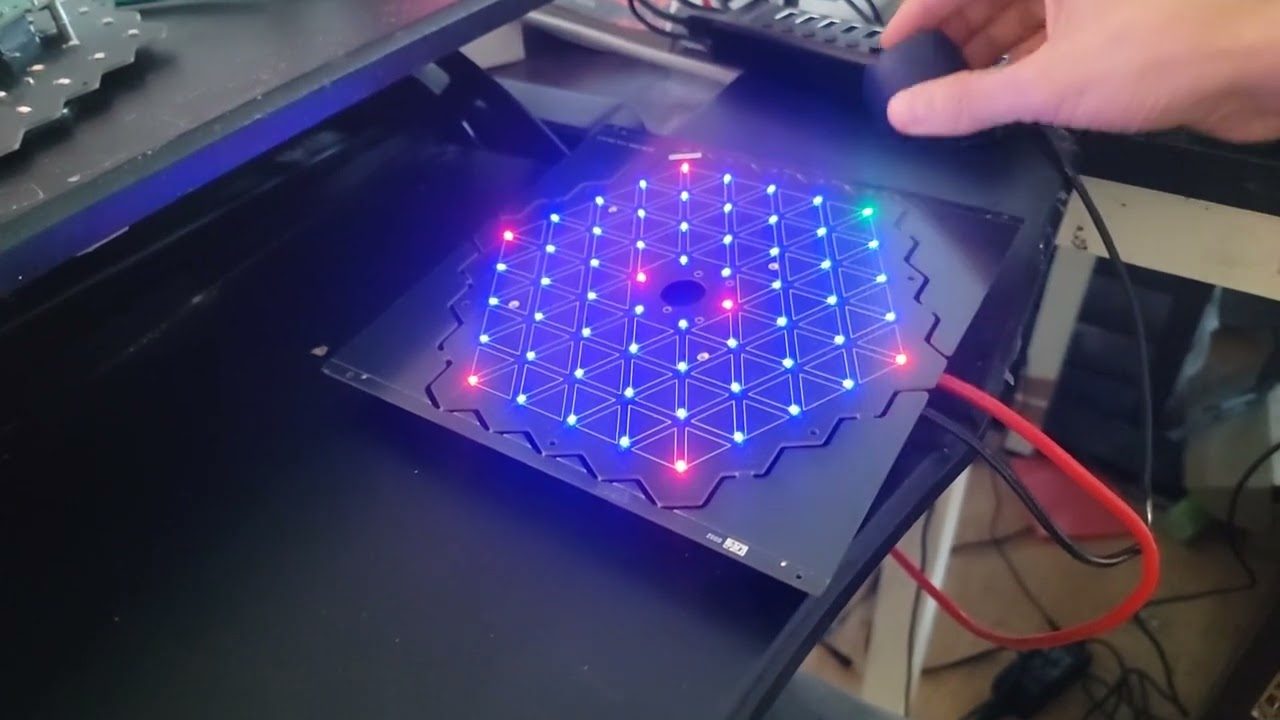
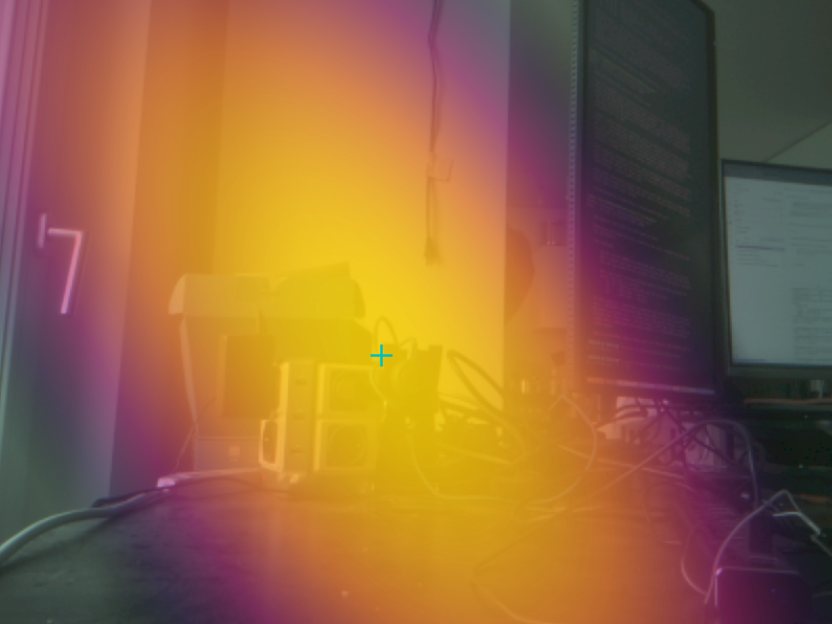
The first proof of concept of our beamforming pipeline.
Three stages, all inside one device. The output is a picture of your floor with every sound source located and labelled.
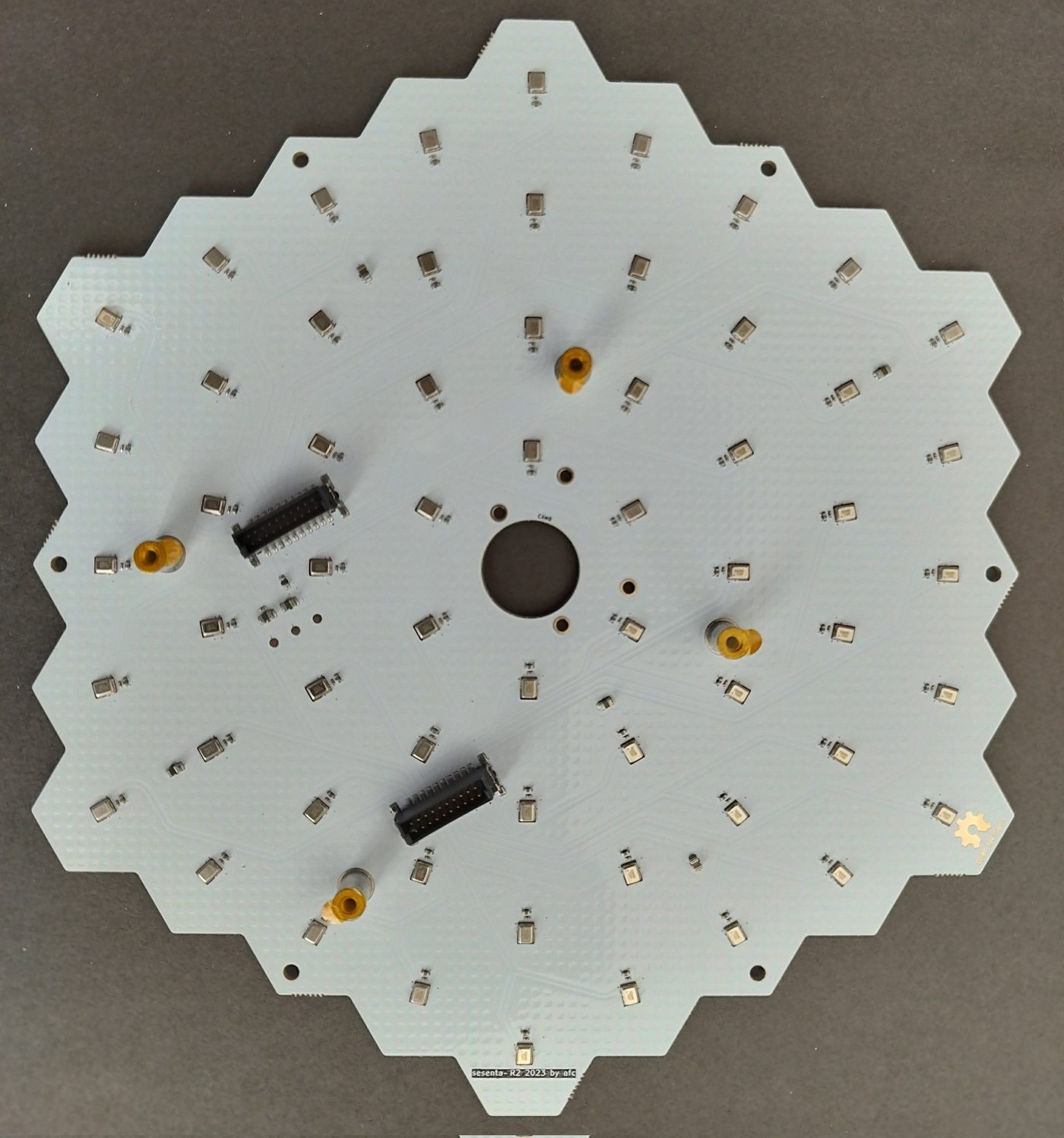
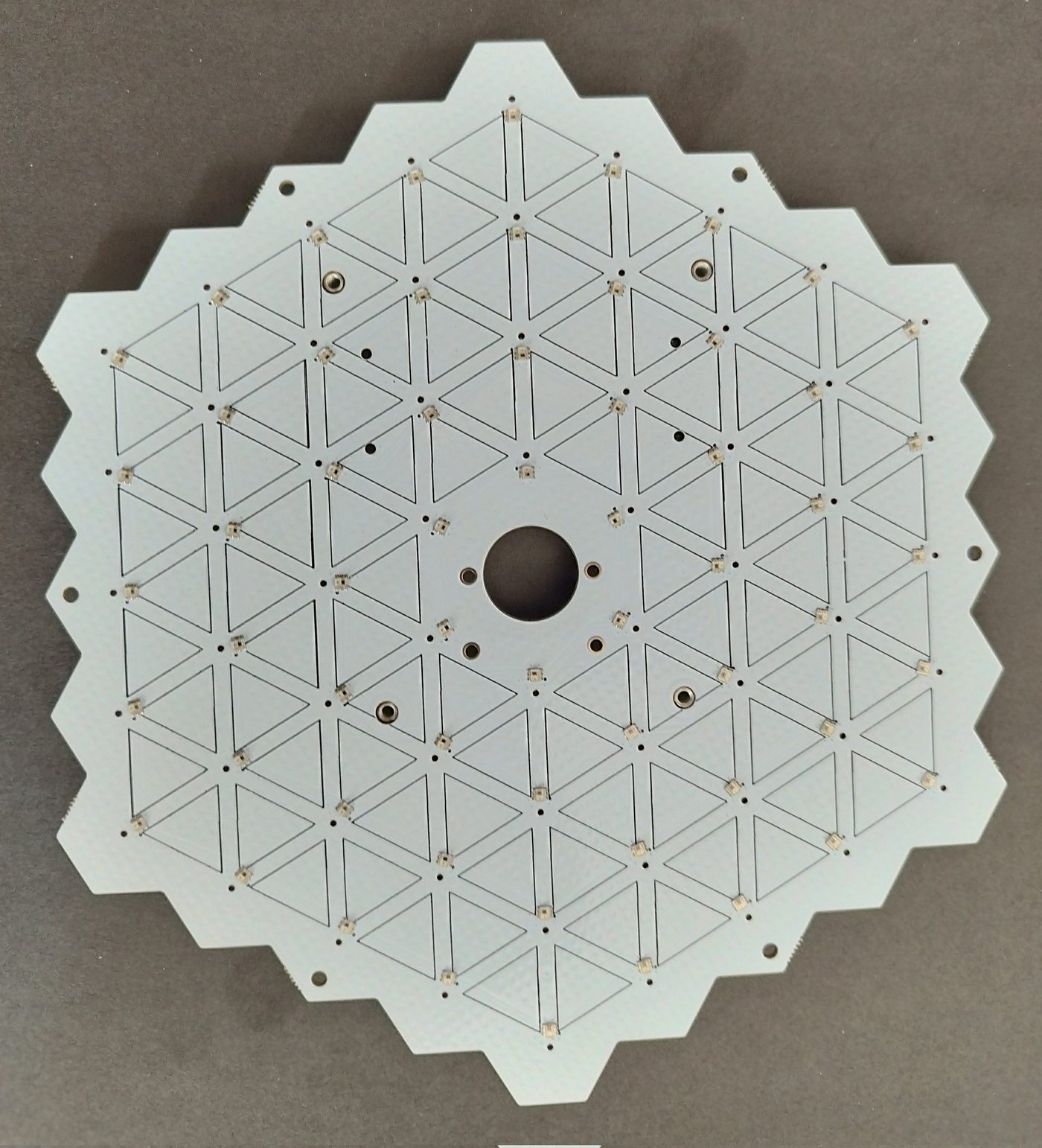
1A hexagonal array of 60 MEMS microphones, designed in‑house, listens to the whole scene at once, from a hum at a few hundred hertz to a hiss above 10 kHz.
2An FPGA combines all channels into a sound‑power map 23 times a second and overlays it on the camera image. The bright spot is the source; the crosshair is its peak.
3A compact neural network on the processor's NPU recognises the sound signature and tags it on screen. Nothing leaves the device unless you want it to.
A simulated plant driven by the same ideas as our prototype. Five arrays on the walls, time‑synchronised, point at the same event. Click a machine or move your cursor over the scene, and watch the sound map, the spectrum and the classifier respond.

Arrays mount on walls and columns, each covering a zone. Because they share one clock, every event is heard by several arrays at once and located where their beams cross.
Most failures are audible before they are visible. An acoustic camera turns that into a picture your maintenance team can act on.
Leaks hiss at frequencies the array pinpoints from across the hall, while the line keeps running.
Bearings, gearboxes, pumps and fans change their sound long before they stop. The camera shows which one.
Partial discharge and arcing in switchgear, insulators and transformers are audible before they are visible.
Passing valves, failed steam traps and chattering actuators each have a signature of their own.
Impacts, alarms and unexpected noises, located and logged together with a picture of where they happened.
Find the dominant sources on a floor, rank them, and prove that the fix worked.
From the microphone PCB to the FPGA logic to the model on the NPU. Owning every layer is what makes a real‑time acoustic camera fit in one small box.
Decades of FPGAs, embedded Linux, signal processing and edge AI, in one small team that ships hardware.
Computer scientist with 10+ years in FPGAs, embedded systems and computer vision. Brings complex algorithms to hardware for real‑world impact.
LinkedIn
Computer scientist with 20+ years building devices from microcontrollers to FPGAs and neural accelerators. Signal processing and AI inference on edge devices.
LinkedIn
Electrical engineer with 20+ years in embedded systems, embedded Linux and HW/SW co‑design. Bridges hardware and software into cohesive system architectures.
LinkedInWe are looking for pilot partners in manufacturing, energy and utilities. Tell us what keeps breaking, and we will tell you whether it can be heard.